

Poetry 2: The Marriage of True Minds
Poetry • Author: William Shakespeare • Original EG notes in simple English
The Marriage of True Minds — EG's own notes, in simple English
Book: Rainbow Bhag-1 (Purani pustak — 2025 se pehle wali) (BSEB, Class 11) | Poetry 2 | Type: Poetry | Author: William Shakespeare
This page carries Educational Galaxy's own original notes — a theme-level summary in simple English, not a copy of the textbook. No official textbook PDF is given here.
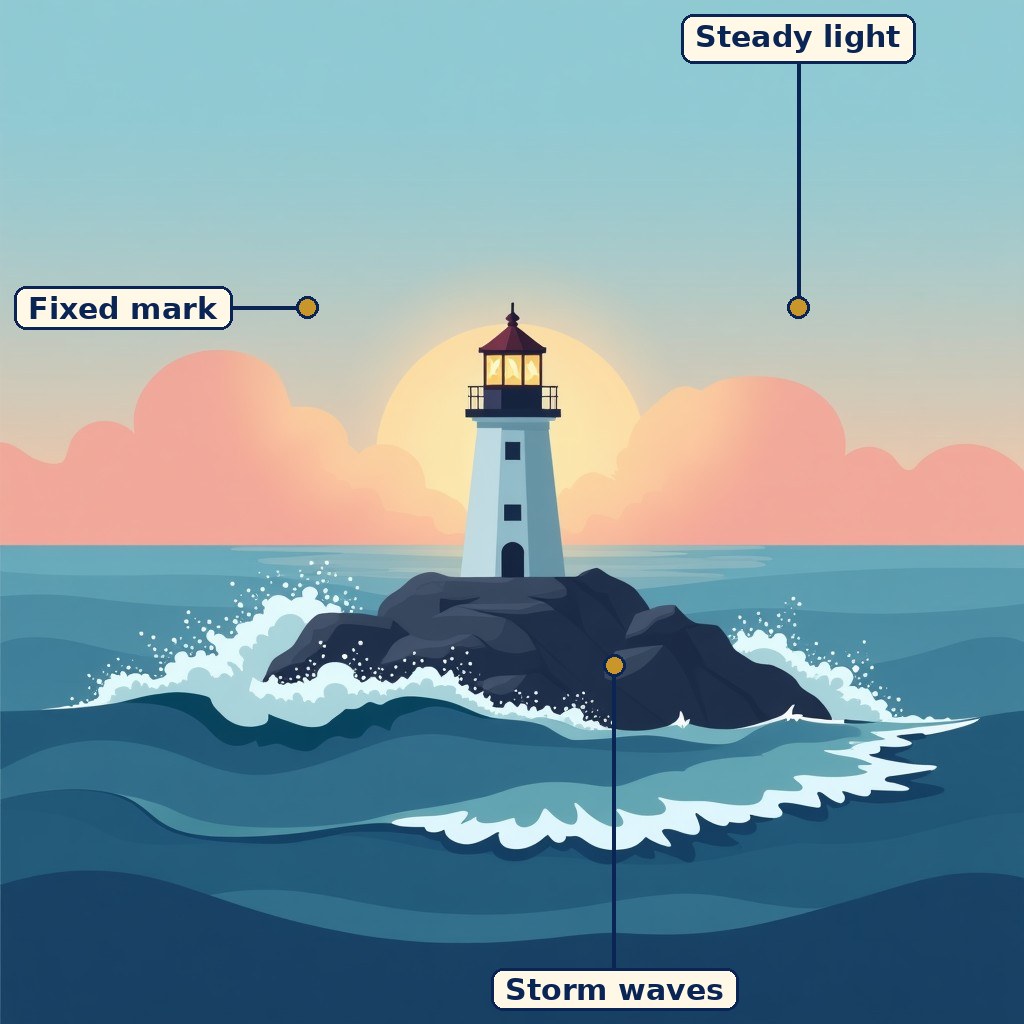
Diagram (labels are printed on the image): A lighthouse firm amid waves — a general picture of love unshaken by storms, not a book scene.

Two trees standing together in wind — a general picture of constancy through time.
What the chapter is about
Shakespeare says true love does not change when it meets change. If love alters when the beloved changes, or bends when troubles come, it was never true love. Real love is a fixed mark that looks on storms and is never shaken.
It is not time's fool: rosy lips and cheeks fade, but love does not fade with the passing hours and weeks. If this is proved wrong, says the poet boldly, then he never wrote and no man ever loved.
What you should learn
True love is constant: it does not alter with change, trouble or time.
Key Terms
- True minds — Two people truly joined in love.
- Alter — To change.
- Fixed mark — A steady guide, like a lighthouse.
- Tempest — A violent storm.
- Time's fool — A plaything of passing time.
Remember
- True love does not alter when it finds alteration.
- Love is a fixed mark that withstands storms.
- Love is not shaken by brief troubles.
- Rosy youth fades, but true love does not.
- The poet ends with a bold challenge to prove him wrong.
Exam Tip / Common Mistake
Common mistake: calling it a poem about marriage ceremony. It is about LOVE'S constancy, using marriage as its image.
Chart / Table
| Point | Detail |
|---|---|
| True love | Constant through change |
| False love | Alters with alteration |
| Storm image | Love stands firm like a mark |
| Time image | Love outlasts fading youth |
Practice set (try on your own)
- What is 'the marriage of true minds'?
Hint: Think about two minds truly joined. - When does love prove itself false?
Hint: Think about altering with change. - What image shows love's firmness?
Hint: Think about a fixed mark in a storm. - How does time affect true love?
Hint: Think about fading looks versus lasting love. - What bold claim ends the poem?
Hint: Think about the poet's challenge.
Questions with Answers
- What does Shakespeare say true love is not?
It is not love that alters when it finds alteration, or bends when troubles come. Changeable love was never true love. - Explain the 'fixed mark' image.
Love is like a lighthouse or star that looks on tempests and is never shaken. Storms may rage around it, but it stays steady. - What does 'love is not time's fool' mean?
Time fades rosy lips and cheeks, but it cannot make true love fade. Love lasts beyond youth and the passing hours. - Why does the poet end with a challenge?
To show his certainty. He says: if I am wrong about this, then I never wrote poetry and no man ever truly loved. - What is the poem's message for readers?
Judge love by constancy. Real love stands firm through change, trouble and time.
How to use this page: First read the summary, say the key terms in your own words, then try the practice set without looking. Finally check yourself with the questions and answers. Get your answers checked by your teacher or parents.
- True love does not alter when it finds alteration.
- Love is a fixed mark that withstands storms.
- Love is not shaken by brief troubles.
- Rosy youth fades, but true love does not.
- The poet ends with a bold challenge to prove him wrong.